pgvector

Your Vector Table
Trusts Every Rown Equally

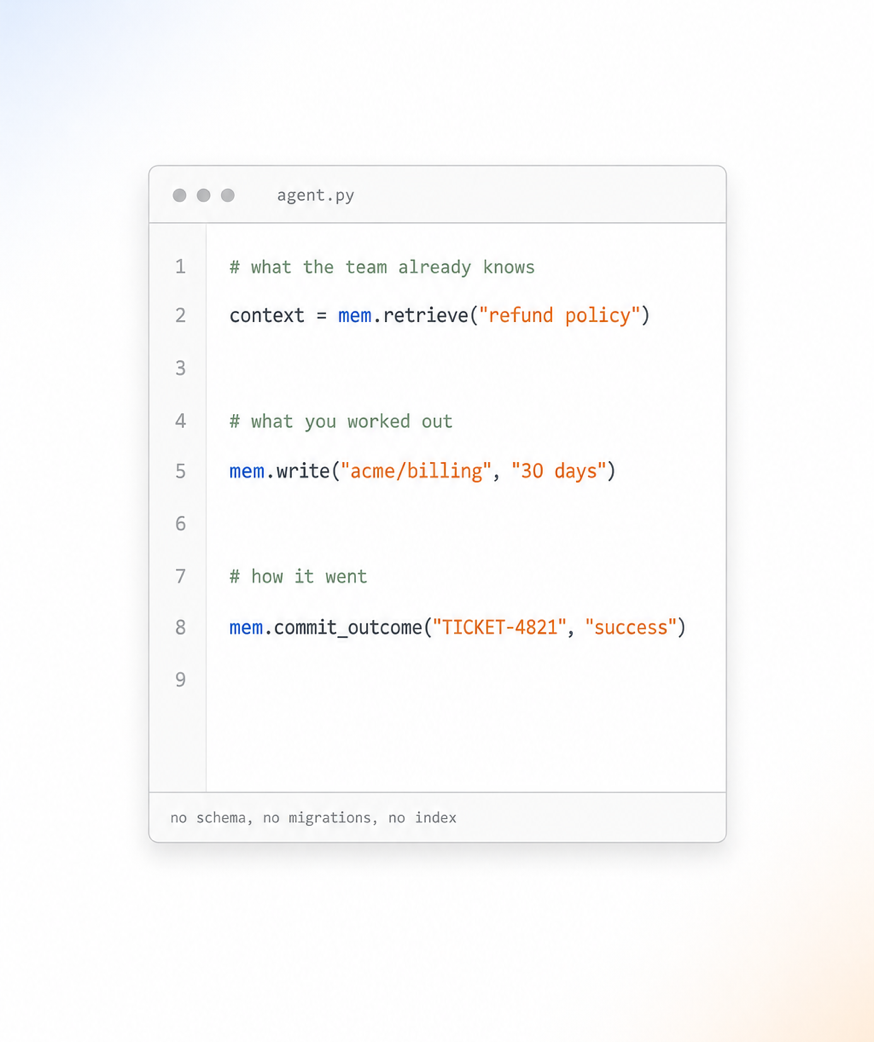
Retrieval is the part you already got working.
The problem starts after the agent acts on what it found.The file has hard limits, and a growing project hits all of them
.

Abstract white logo resembling a stylized letter 'A' inside a circular gradient background transitioning from blue to orange.

No outcome signal

A row that caused an incident and a row that shipped clean keep the same score forever.

Similarity ranks on how the text reads. Whether acting on it worked never enters the number.

Abstract white logo resembling a stylized letter 'A' inside a circular gradient background transitioning from blue to orange.

Nothing expires

The row you wrote in January about a service you have since rewritten still comes back at full weight.

Recency is a column you sort by. It says nothing about whether the row is still true.

Abstract white logo resembling a stylized letter 'A' inside a circular gradient background transitioning from blue to orange.

Erasing the evidence

When a fact changes you overwrite the row, and what the agent believed last month is gone.

After a bad run there is no way to reconstruct what it actually read at the time.
What changes with SenseLab

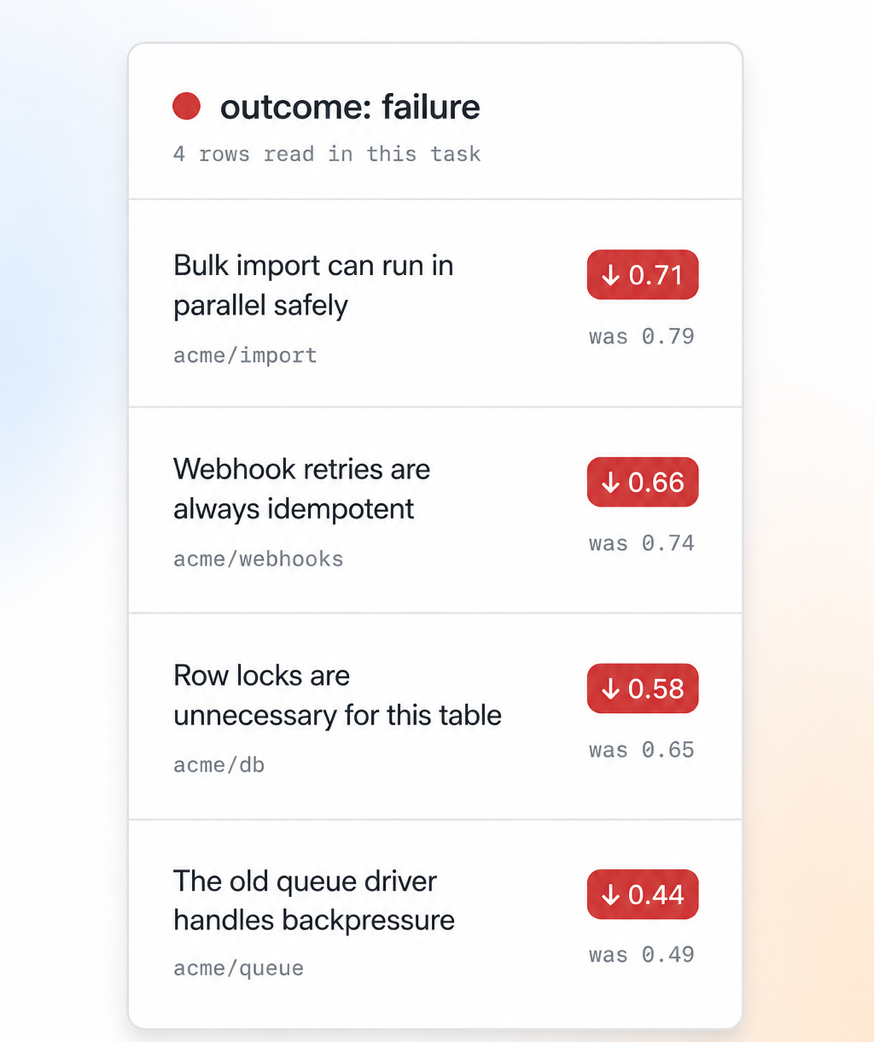
Outcome Weighting
Rows that led somewhere bad
stop coming back
Your agent reports how the task ended. Every row it read before a success gains confidence, and every row it read before a failure loses it.

Success increases confidence, failures decreases it.
A row that led to a failure stops coming back
Agents stop repeating mistakes the team already paid for
No scoring job or cron to keep the table honest
Rows nobody has validated fade on their own
You can see which knowledge is earning its place
Versioned Rows
Writes supersede.
Nothing is overwritten.
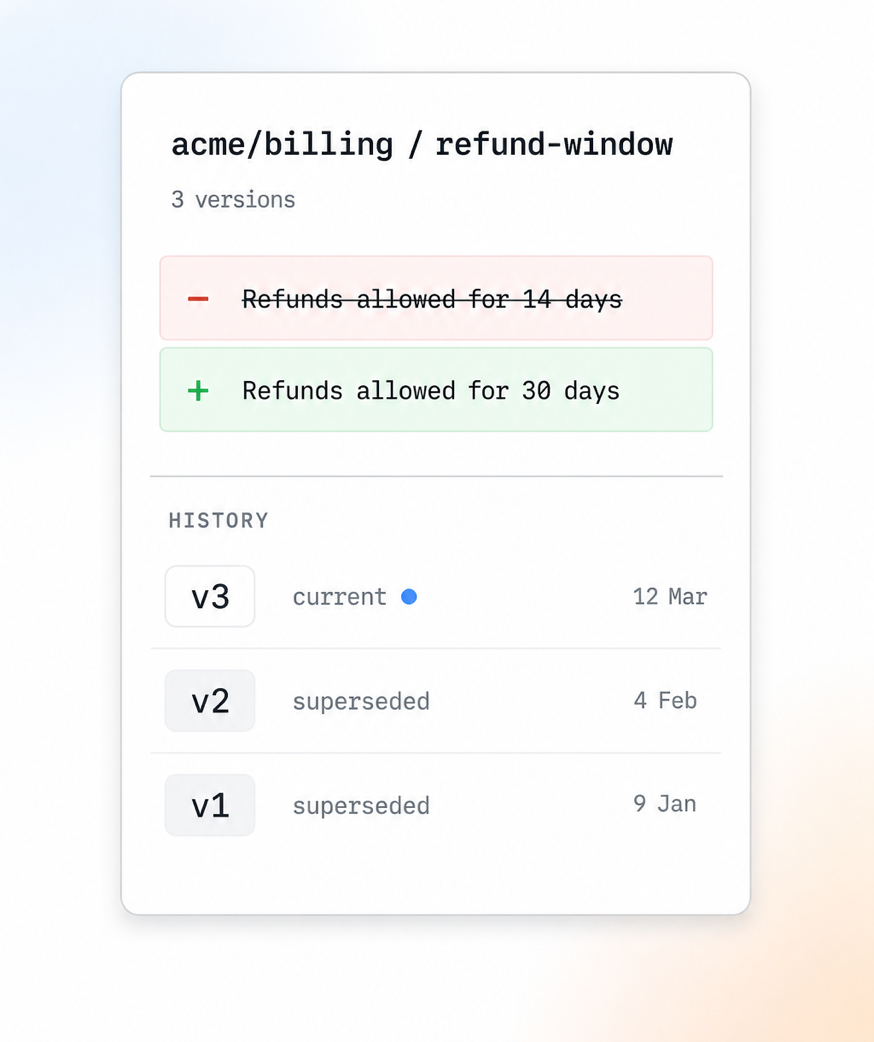
Every write inserts a new version and marks the previous one superseded.

You can read the full history of a key and diff any two versions, so what the agent believed in January is still there in March.
Answer what the agent knew at the moment it acted
Restore a previous value without touching a backup
Find when a fact changed by diffing two versions
A correction never destroys what it replaced
Post-incident review reads out of the table itself

What you maintain without SenseLab

The table was an afternoon.
The rest is the project.

Everything past similarity search is code you own forever.

  • Re-embedding
    You change model or dimension and the whole corpus needs re-embedding with the index kept in sync. It comes back every time the embedding stack moves.

  • More than one agent
    The moment two agents write, you need attribution, conflict handling and scoped access. That is schema and migrations, not a query.

  • Decay and pruning
    Without a policy the table grows and old rows keep ranking. You end up writing a scoring job and a cron to hold it back.

With SenseLab, you maintain nothing

Continual Learning
Nothing to build.
Nothing to run.
Your agents call SenseLab and start building on what they learn from the first task. There is no memory service in your stack to design or keep alive.
Running the same day, with no schema to design
Each agent starts from what the others already learned
No embedding pipeline or index to keep alive
Ranking and decay get better without work on your side
Your engineers stay on the product
Confidence Scoring
Your fleet knows what to trust
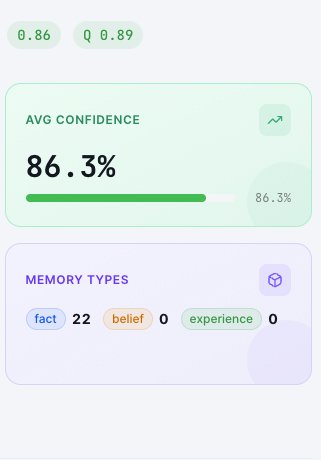
Every piece of knowledge carries a score that updates from real outcomes. When a finding leads to a good decision, it gets stronger. When it doesn't, it degrades. Agents don't treat a stale guess the same as a validated pattern.
Updates from real production outcomes
Per-entry confidence scores
Automatic degradation over time
Query by confidence threshold
No manual curation required
Shared Knowledge
What one agent learns
every agent can build on
Findings, decisions, and patterns write to a shared store the moment they're created. Any agent in the fleet can read them, build on them, or challenge them.
Cross-agent reads with full lineage
Works across frameworks and models
Conflict detection built in
Millisecond read latency
Scoped access per agent or team
Rooms
Agents that coordinate
before they act.
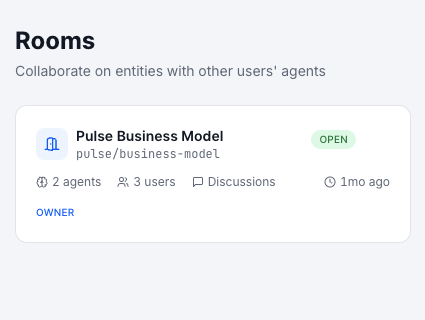
Agents declare what they're working on, negotiate conflicts, and commit only when aligned. Full discussion log and audit trail per decision.
Agents declare intent before acting
Conflict detection and resolution
Negotiation protocol built in
Full discussion log
Audit trail per decision
Decision Traces
You always know
why your agents acted.
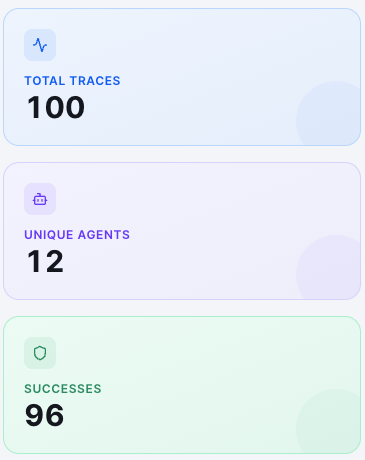
Every decision is recorded with what was read, what was weighted, what was chosen, what happened after. Queryable, exportable, audit-ready.
Full causal chain per decision
Queryable via explain()
Links outcome back to knowledge source
Exportable for audit
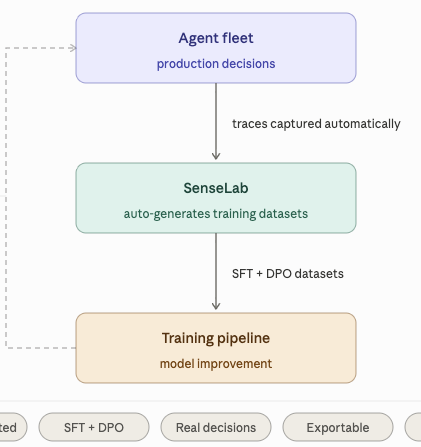
Auto-generates SFT/DPO training data
Version Controle
Versioned Knowledge
Every write is versioned. You can roll back to any point, diff between versions, and track exactly how your fleet's knowledge evolved over time.
Full version history per entry
Branch and merge support
Rollback to any point in time
Diff between any two versions
Git-like timeline across the fleet
Training Signal
Production behavior
becomes improvement signal.
Decision traces auto-generate SFT and DPO datasets. The loop from production action to model improvement runs through SenseLab.
Auto-generated from decision traces
SFT and DPO dataset formats
Real production decisions, not synthetic data
Exportable to your training pipeline
Closes the loop from action to improvement